Skip to content




Foldable vs. Non-Foldable Electric Bikes: Which Should You Choose?
The electric bike boom shows no signs of slowing down, and for good reason. They’re a cost-effective, eco-friendly alternative to cars for commuting, a fun way to explore the outdoors, and a low-effort way to stay active — all while skipping the stress of traffic jams and high fuel costs. But once you’ve decided to invest in an e-bike, one big question often stumps shoppers: should you go foldable or stick with a traditional non-foldable model?
There’s no one-size-fits-all answer. The choice boils down to your lifestyle, storage space, commuting habits, and what you value most in a ride. To help you make an informed decision, we’re breaking down the key differences, pros, cons, and scenarios where each type shines — so you can pick the e-bike that fits your life, not the other way around.
First: What’s the Difference, Exactly?
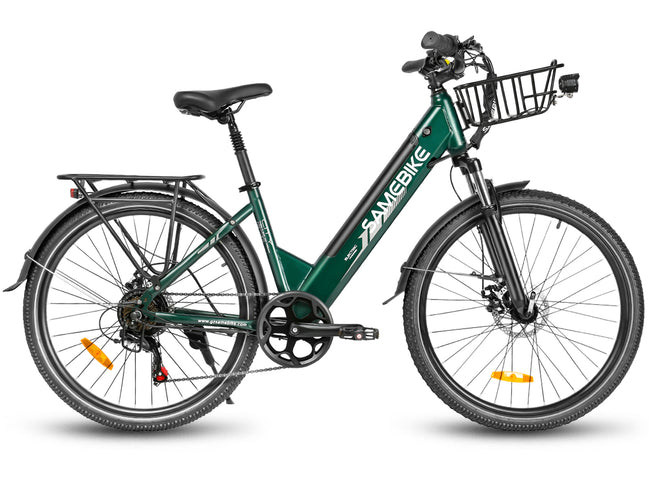
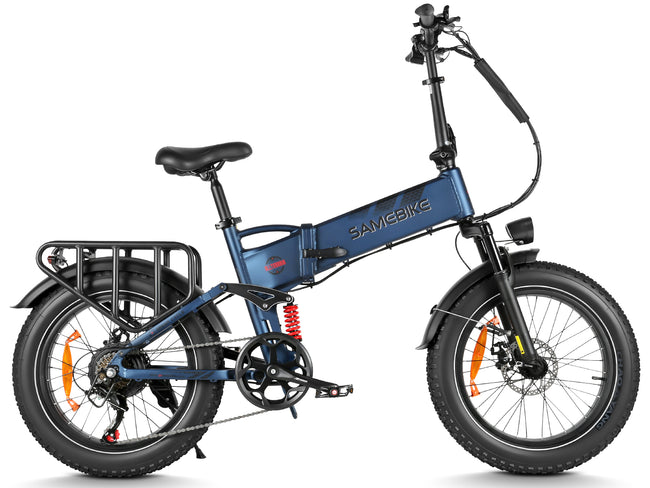
At its core, the only structural difference between a foldable and non-foldable e-bike is the frame. A foldable e-bike features integrated hinges and collapsible components, engineered to shrink down to a compact size in just a few seconds — perfect for portability and tight storage. A non-foldable (or standard) e-bike has a rigid, solid frame with no folding mechanism, prioritizing durability and performance over compactness.
Both types come with the same essential e-bike features: a motor, battery, pedal assist, and often a throttle. The real distinction lies in how you use, store, and transport them — and that’s where your lifestyle comes into play.
Foldable Electric Bikes: Best for Portability & Urban Living
Foldable e-bikes are designed for convenience, making them a game-changer for city dwellers, apartment residents, and anyone who needs to combine their ride with other forms of transport (like trains, buses, or cars). Let’s dive into their biggest advantages — and the tradeoffs to consider


Pros of Foldable E-Bikes
-
Unbeatable Portability: This is their biggest selling point. Most foldable models shrink to 60-70% of their original size, making them easy to carry up stairs, tuck under your desk at work, or store in a closet, under a bed, or the trunk of a small car. No more worrying about finding street parking or leaving your bike vulnerable to theft outdoors.
-
Perfect for Mixed-Mode Commutes: If your daily commute involves a train, bus, or subway, a foldable e-bike lets you ride to the station, fold it up, and carry it with you — no need to lock it outside or pay for bike storage. It’s ideal for “last-mile” travel, bridging the gap between public transit and your final destination.
-
Space-Saving Storage: For anyone living in a small apartment, condo, or home with limited garage space, a foldable e-bike is a lifesaver. You won’t need a dedicated bike rack or extra room — just fold it and stow it out of sight.
-
Nimble Urban Handling: Most foldable e-bikes have smaller wheels and shorter wheelbases, making them more agile in tight city spaces, crowded streets, and narrow bike lanes. Quick turns and maneuvering through traffic feel effortless compared to bulkier standard e-bikes.
Cons of Foldable E-Bikes
-
Tradeoffs in Comfort & Performance: To keep them lightweight and foldable, manufacturers often use smaller wheels and lighter frames, which can make long rides less comfortable — especially on rough roads or uneven terrain. They also tend to have smaller batteries and less powerful motors (usually 250W-350W) compared to standard models, meaning shorter range and less hill-climbing power.
-
Potential Durability Concerns: The folding hinges, while convenient, are an extra moving part that can wear down over time. It’s important to test the folding mechanism (repeatedly opening and closing it) to ensure it’s sturdy and doesn’t loosen or rattle — cheaply made hinges can compromise safety and longevity.
-
Higher Price Tag (for Quality Models): Well-made foldable e-bikes with reliable motors, durable batteries, and sturdy folding mechanisms often cost more than entry-level non-foldable models. Budget-friendly foldables may cut corners on components, leading to shorter lifespans.
-
Weight Matters: While foldable e-bikes are designed to be portable, they can still weigh 30-50 pounds (13-22 kg). Carrying one up multiple flights of stairs or for long distances can be tiring — especially if you’re not used to it. Look for models under 40 pounds if portability is your top priority.
Non-Foldable Electric Bikes: Best for Performance & Long Rides
Non-foldable (standard) e-bikes are the traditional choice, built for riders who prioritize comfort, power, and durability over compactness. They’re ideal for longer commutes, off-road adventures, and anyone who has dedicated storage space.


Pros of Non-Foldable E-Bikes
-
Superior Comfort & Stability: With larger wheels (usually 26-28 inches), a rigid frame, and more ergonomic design, non-foldable e-bikes offer a smoother, more stable ride — even on rough roads, gravel, or hills. They’re much more comfortable for long rides (10+ miles) compared to foldable models.
-
Better Performance & Range: Standard e-bikes often come with more powerful motors (350W-750W+) and larger batteries, giving them longer range (up to 100+ miles on a single charge, depending on the model) and better hill-climbing ability. They’re perfect for riders who need to tackle steep inclines or longer distances without worrying about running out of power.
-
Durability & Longevity: Without folding hinges, non-foldable e-bikes have fewer moving parts, making them more durable and less prone to wear and tear. A well-maintained standard e-bike can last for years, making it a better long-term investment for frequent riders.
-
More Versatility: Non-foldable e-bikes come in a wider range of styles, including commuter, mountain, cargo, and cruiser models. Whether you want to ride off-road, haul groceries, or cruise along the beach, there’s a standard e-bike designed for your needs. Some even come with full suspension, fat tires, or cargo racks for added utility.
-
Better Value for Budget Riders: Entry-level non-foldable e-bikes are often more affordable than foldable ones, making them a great choice if you’re on a budget but still want a reliable ride. You can get a quality standard e-bike with good range and power without breaking the bank.
Cons of Non-Foldable E-Bikes
-
Storage Challenges: The biggest downside is their size. Non-foldable e-bikes require dedicated storage space — a garage, bike rack, or covered porch. If you live in a small apartment or don’t have outdoor storage, they can be cumbersome to store and may take up valuable living space.
-
Hard to Transport: You can’t easily carry a non-foldable e-bike on public transit or fit it in a small car trunk. If you need to transport it, you’ll need a bike rack for your car — an extra expense and hassle. They’re also harder to carry up stairs or into buildings.
-
Theft Risk: Since you can’t take them inside with you, non-foldable e-bikes are more vulnerable to theft if left outside. You’ll need a high-quality lock (or multiple locks) to keep them secure, adding to the overall cost and inconvenience.
How to Decide: Ask Yourself These 5 Questions
Still on the fence? Let’s narrow it down with these simple questions — your answers will point you to the right choice:
-
Where do you live? If you’re in a small apartment or urban area with limited storage, go foldable. If you have a garage, backyard, or dedicated bike storage, a non-foldable model is fine.
-
How do you commute? If you take public transit (train, bus, subway) or need to carry your bike into work/school, foldable is a must. If you ride directly from home to your destination (no transit), non-foldable is better for comfort.
-
How far do you ride? For short rides (under 10 miles) and city commutes, foldable works. For long rides (10+ miles) or hilly terrain, non-foldable offers better range and power.
-
Do you need to transport your bike often? If you travel with your bike (e.g., road trips, RVing) or need to fit it in a car, foldable is more convenient. If you rarely transport it, non-foldable is better.
-
What’s your budget? If you’re on a tight budget, entry-level non-foldable e-bikes offer better value. If you can afford to spend more for portability, a quality foldable model is worth it.
Final Thoughts: It’s All About Your Lifestyle
Foldable e-bikes aren’t “better” than non-foldable ones — they’re just better for specific lifestyles. They’re a lifesaver for urban dwellers, commuters who use public transit, and anyone short on storage. Non-foldable e-bikes, on the other hand, are perfect for riders who prioritize comfort, performance, and long rides, and have the space to store them.
No matter which you choose, remember to test ride first — comfort and fit matter more than any feature list. Check the battery range (real-world range, not just the manufacturer’s claim), test the motor power on hills, and make sure the bike feels stable and easy to handle. And if you’re buying a foldable model, test the folding mechanism to ensure it’s quick, easy, and sturdy.
At the end of the day, the best e-bike is the one that fits seamlessly into your life — whether it folds up small or stands tall. Happy riding!