Skip to content




Fat Tire E-Bikes for Off-Roading: Hype or Hidden Gem? The Untold Truth
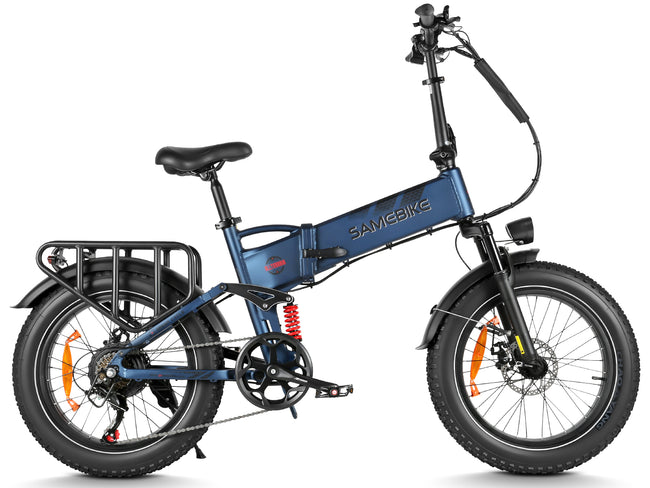
If you’ve spent any time scrolling through off-roading gear or e-bike forums, you’ve probably noticed a trend: fat tire electric bikes are everywhere. With their oversized, beefy tires (usually 4 inches or wider) and electric assist, they’re marketed as the ultimate solution for tackling rough terrain—mud, sand, snow, rocky trails, you name it. But here’s the question every adventure seeker is asking: are fat tire e-bikes actually better for off-roading? Or is their popularity just another passing hype?
Today, we’re diving deep into the world of fat tire e-bikes, separating fact from fiction, and breaking down exactly when (and when not) they shine off-road. No marketing fluff, no biased opinions—just the unvarnished truth to help you decide if a fat tire e-bike is worth your hard-earned cash for your next off-road adventure.
First, Let’s Talk About What Makes Fat Tire E-Bikes Unique
Before we judge whether they’re “better,” we need to understand what sets fat tire e-bikes apart from standard off-road e-bikes (often called mountain e-bikes, or e-MTB (electric mountain bike)s). The star of the show, of course, is their tires.
Unlike standard e-MTB (electric mountain bike) tires (which are typically 2-3 inches wide), fat tires are designed to spread the bike’s weight (and the rider’s weight) over a much larger surface area. This low ground pressure is the secret sauce behind many of their off-road advantages. Add in an electric motor that provides pedal assist (or full throttle, on some models), and you have a bike that’s built to tackle terrain that would leave a standard bike stuck.
The Pros: When Fat Tire E-Bikes CRUSH Off-Roading
Let’s start with the good stuff—because when fat tire e-bikes are in their element, they’re genuinely impressive. Here are the scenarios where they outperform standard e-bikes (and even some traditional off-road vehicles):
1. Soft, Unstable Terrain (Sand, Mud, Snow)
This is where fat tires truly shine. If you’ve ever tried to ride a standard bike through deep sand or wet mud, you know the struggle: the tires sink, you spin out, and you end up pushing more than riding. Fat tires, with their wide surface area, float on top of these soft surfaces instead of sinking.
Imagine cruising through a beach trail at low tide, or tackling a muddy forest path after rain—no spinning, no getting stuck. The electric assist only amplifies this advantage: even if you hit a patch that requires extra power, the motor kicks in to keep you moving, without you having to exert all your energy.
Snow is another sweet spot. Fat tires (especially when paired with studded tires for extra grip) can handle packed snow, slush, and even light powder that would stop a standard e-MTB (electric mountain bike) in its tracks. For winter adventurers, this is a game-changer—you don’t have to hang up your bike just because the temperature drops.
2. Rough, Rocky Trails (Shock Absorption + Stability)
You might think that wider tires would be clunky on rocky trails, but the opposite is often true. Fat tires are usually run at lower tire pressure (5-15 PSI, compared to 30+ PSI for standard tires), which makes them act like built-in shock absorbers. They conform to the shape of rocks, roots, and ruts, providing a smoother ride and better traction than narrower tires.
The extra width also adds stability. When you’re navigating a narrow, rocky ridge or a steep descent, the wider base of the fat tires gives you more balance, reducing the risk of tipping over. The electric assist helps here too—climbing rocky inclines is easier when you have a motor helping you power through, instead of relying solely on your legs.
3. Accessibility for All Riders
One of the best things about fat tire e-bikes is that they’re more accessible than standard off-road e-bikes. The stability and ease of use mean that even beginner riders can tackle off-road trails with confidence. If you’re new to off-roading, or if you have joint pain or limited stamina, the electric assist takes the pressure off, while the fat tires keep you grounded.
They’re also great for riders who want to explore off the beaten path without investing in a high-end e-MTB (electric mountain bike). Many entry-level fat tire e-bikes are more affordable than premium e-MTB (electric mountain bike)s, making off-roading accessible to a wider audience.
The Cons: When Fat Tire E-Bikes Fall Short
Now, let’s get real—fat tire e-bikes aren’t perfect. There are scenarios where a standard e-MTB (electric mountain bike) (or even a traditional mountain bike) would be a better choice. Ignoring these downsides would be unfair, so let’s break them down:
1. Weight = Less Maneuverability
Fat tires are heavy—there’s no way around it. Add in the weight of the battery and motor, and most fat tire e-bikes weigh 50-70 pounds (sometimes more). This extra weight makes them less maneuverable than standard e-MTB (electric mountain bike)s, especially on tight, twisty trails.
If you’re used to zipping around switchbacks or navigating narrow singletrack, a fat tire e-bike might feel clunky and slow. It’s not that you can’t ride these trails—it’s just that it will require more effort, and you won’t have the same level of agility as you would with a narrower tire.
2. Reduced Speed (On and Off Road)
The extra rolling resistance from the wide tires means that fat tire e-bikes are slower than standard e-bikes—even on flat, smooth surfaces. Off-road, this is less of an issue (since you’re often prioritizing traction over speed), but if you want to cover long distances quickly, or if you enjoy fast, flowy trails, a fat tire e-bike might not be the best fit.
The electric assist helps offset this, but it also means that your battery will drain faster at higher speeds. If you’re planning a long off-road ride, you’ll need to be more mindful of your battery life.
3. Price and Maintenance
While entry-level fat tire e-bikes are affordable, high-quality models (with durable frames, powerful motors, and long-lasting batteries) can be just as expensive as premium e-MTB (electric mountain bike)s. Additionally, fat tires are more expensive to replace than standard tires—so you’ll need to factor that into your long-term costs.
Maintenance is also a consideration. The wide tires can be harder to mount and dismount, and they’re more prone to picking up debris (like sticks, rocks, or mud) which can cause wear and tear over time. You’ll also need to check your tire pressure regularly, as low pressure (while great for traction) can lead to pinch flats if you hit a sharp rock or root.
The Verdict: Are Fat Tire E-Bikes Better for Off-Roading?
The short answer: it depends on where you ride and what you’re looking for.
If your off-roading adventures involve soft terrain (sand, mud, snow), rough rocky trails, or if you’re a beginner looking for stability and ease of use, then yes—fat tire e-bikes are better. They’re built for these conditions, and they’ll provide a more enjoyable, less frustrating ride than a standard e-bike.
But if you mostly ride tight, twisty singletrack, prioritize speed and maneuverability, or want to cover long distances quickly, a standard e-MTB (electric mountain bike) will be a better choice. Fat tire e-bikes excel in specific off-road scenarios, but they’re not a one-size-fits-all solution.
Final Tips for Choosing the Right Off-Road E-Bike
Before you buy, ask yourself these questions:
-
What type of terrain do I ride most often? (Soft vs. rocky vs. singletrack)
-
Do I prioritize traction and stability over speed and maneuverability?
-
Am I a beginner, or do I have experience with off-roading?
-
How far do I plan to ride on a single charge?
If you can test ride both a fat tire e-bike and a standard e-MTB (electric mountain bike) on the terrain you frequent, even better—nothing beats first-hand experience.
At the end of the day, there’s no “best” off-road e-bike—only the best one for you. Fat tire e-bikes aren’t a replacement for standard e-MTB (electric mountain bike)s, but they’re a fantastic option for riders who want to explore terrain that was once off-limits. So, if you’re dreaming of beach rides, muddy forest trails, or winter adventures, a fat tire e-bike might just be your new favorite toy.
Have you ever ridden a fat tire e-bike off-road? Let us know your experience in the comments below—we’d love to hear from you!